12 Best Things to Do in the Isle of Man & Travel Guide
I’ll admit, before this trip I had no idea just how much there was to see and do on the Isle of Man.
Around an hour’s flight from the UK, this little island is only 33 miles long and 13 miles wide, yet it’s an entire UNESCO Biosphere, has wild wallabies, the only electric mountain railway in the British Isles and a steam railway that’s been running since 1873.
And that’s before you get to the waterfalls, sea caves, beaches, medieval castles and miles of coastline.
Plan Your Isle of Man Trip
Its size was one of the things I loved most. We hired a car and could go from walking through a ridiculously green glen to standing on a wild stretch of coast without spending hours getting between places.
And if you know me, you’ll know I’m always drawn to places where I can get outside and slow down a little. We started one morning with a wood-fired sauna and sea swim, spent our days exploring glens and coastline, and watched the sun set behind a castle from a hilltop.
So if you’re planning your first visit, I’ve included my 12 best things to do in the Isle of Man, where we stayed and ate, plus everything I’d want to know before going, with plenty of nature, wellness and slower moments along the way.
Planning tip: If you’re planning to use the heritage railways and visit some of the island’s historic attractions, it’s worth looking at the Go Explore Heritage Card. It includes five days of unlimited bus and heritage rail travel, plus entry to Manx National Heritage sites. Four of the attractions in this guide are included, and I’ve marked them with a * so they’re easy to spot.
Just a little note: this post contains affiliate links. If you use them, I may earn a small commission at no extra cost to you. It really helps support my content and keeps everything free for you. Thank you for supporting my work.
AD | This trip was in partnership with Visit Isle of Man. As always, all thoughts and recommendations are my own.

What to know before visiting Isle of Man
12 Best Things to Do in the Isle of Man
1. Ride the Snaefell Mountain Railway*
If there’s one experience I’d put near the top of your Isle of Man list, it’s this.
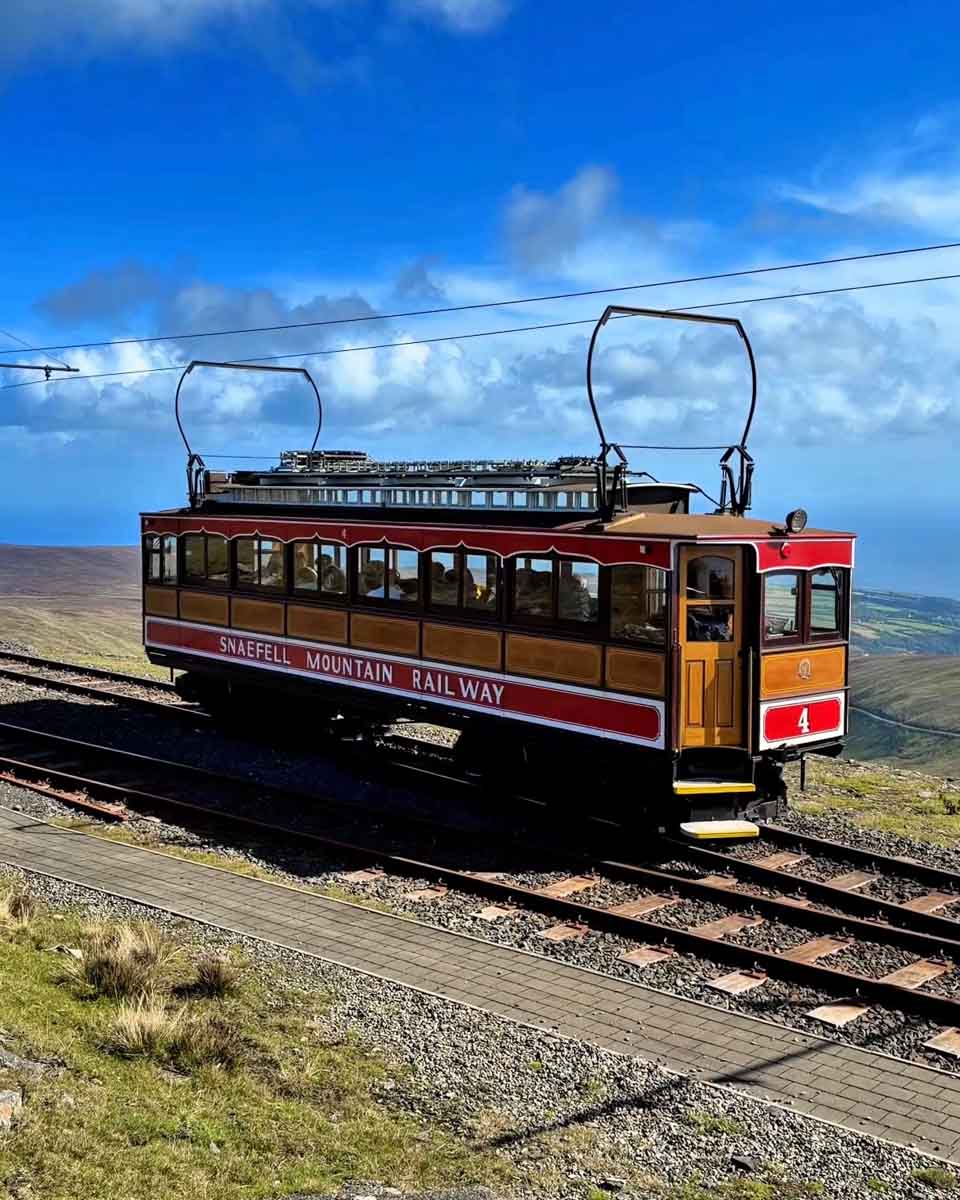
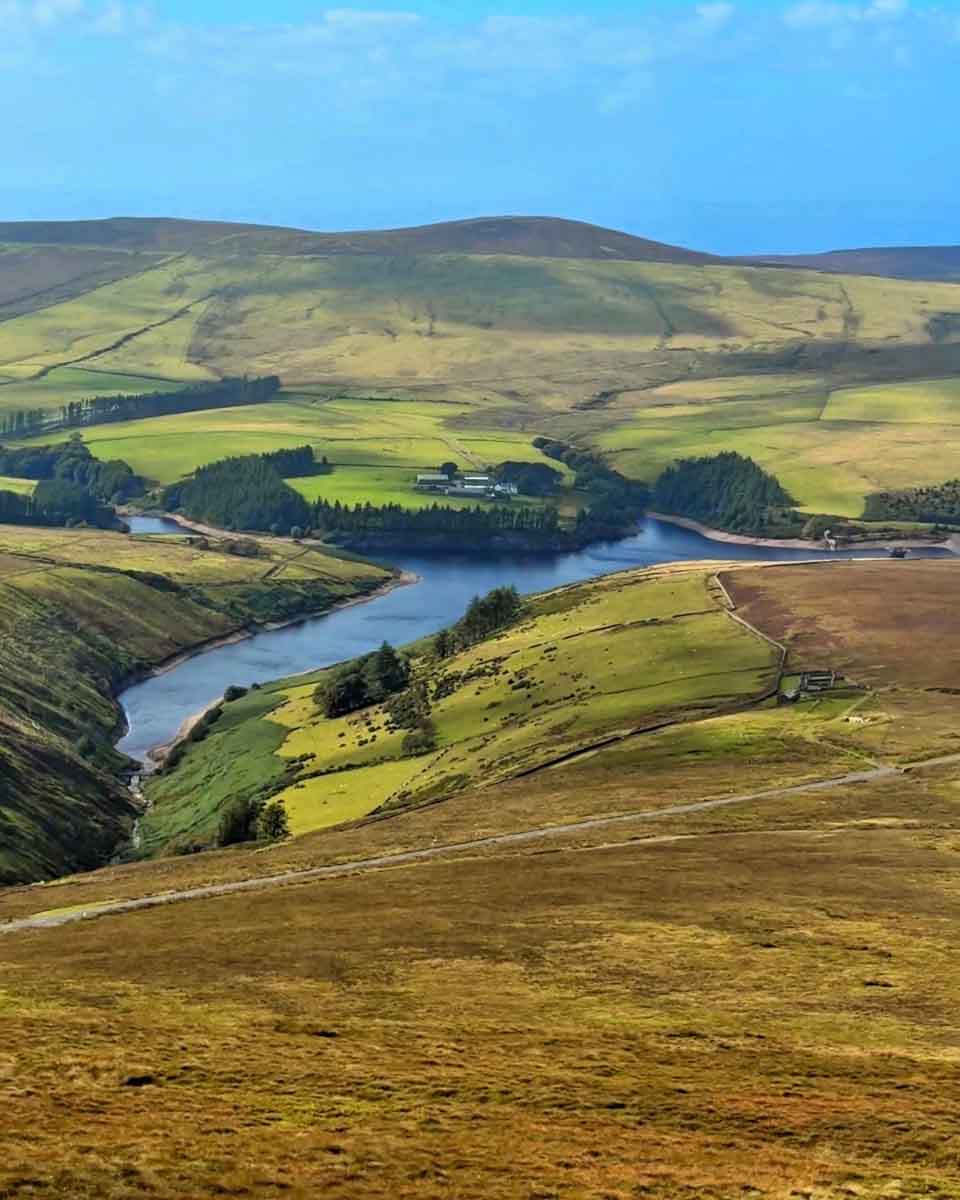
The Snaefell Mountain Railway has been running since 1895 and is the only electric mountain railway in the British Isles. It travels for around five miles from Laxey Station to the summit of Snaefell, which at 2,036 feet is the island’s only mountain. The journey takes around 30 minutes each way.
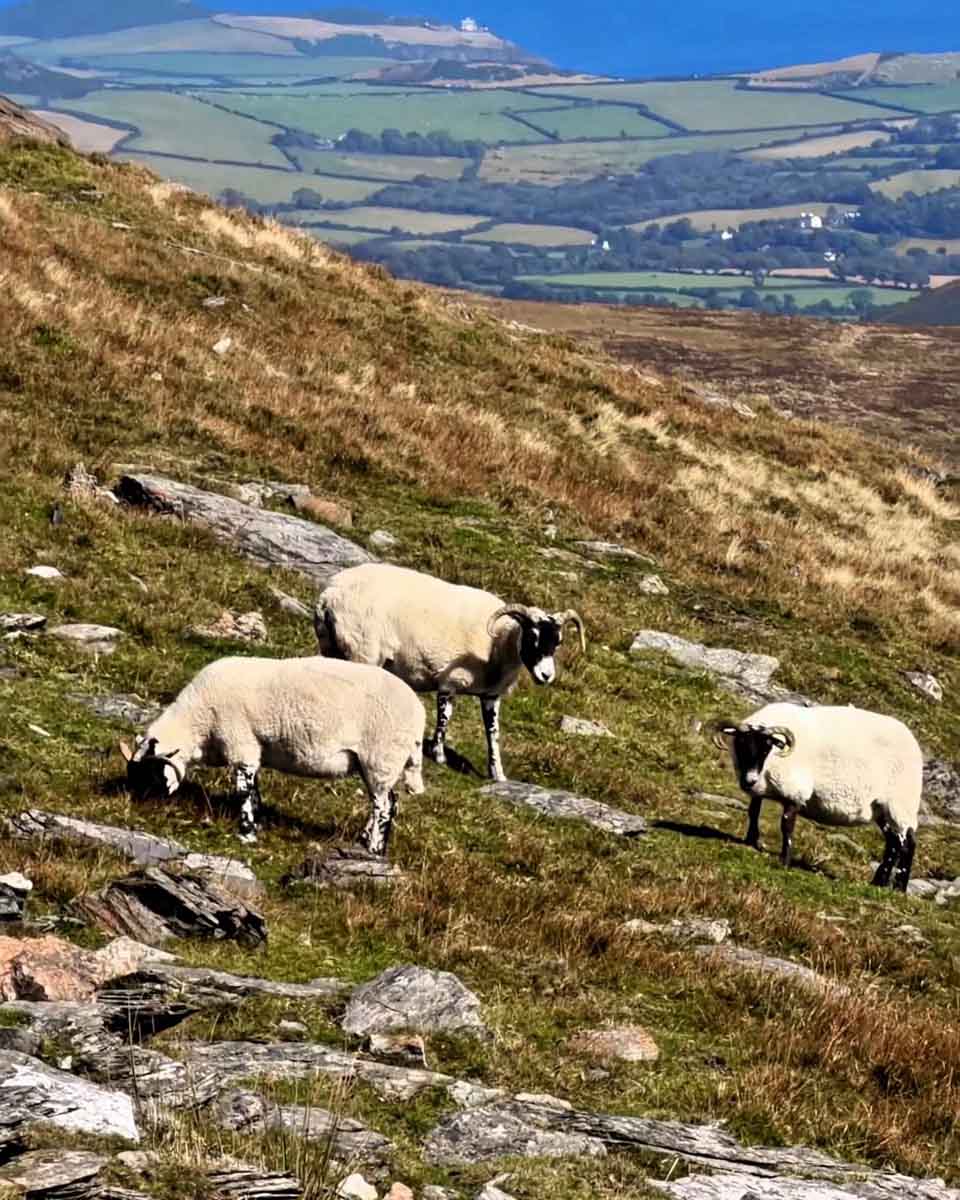
The journey itself was one of my favourite parts. We passed horned sheep grazing across the mountainside and had views towards the Great Laxey Wheel, built in 1854 and still the world’s largest working waterwheel.
On a clear day, it’s said you can see seven kingdoms from the top: the Isle of Man, England, Ireland, Scotland, Wales, Heaven and the Sea.
I’d allow around 1.5–2 hours altogether so you have time to enjoy the summit. There’s also a café at the top if you want to stop for something to eat or drink.
The railway is seasonal and the weather can change quickly up here, so check the timetable and forecast before you go and take layers.
*This attraction is included with the Go Explore Heritage Card.
Want to explore Snaefell with a guide?
This 4-hour guided tour combines Snaefell Mountain Railway with Laxey and the Great Laxey Wheel. Prices are per group of up to 10, so it could be a good option if you’re travelling together.
→ Check prices & availability
2. Visit Point of Ayre
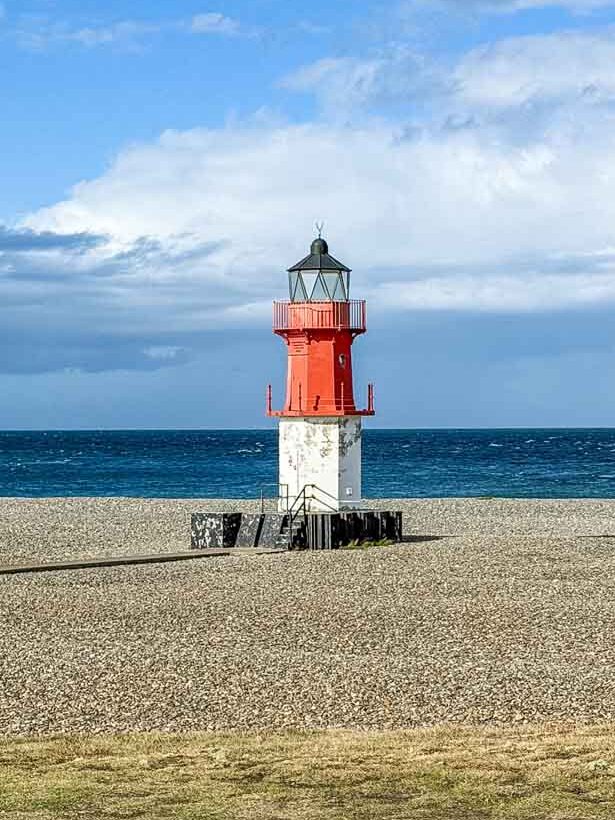
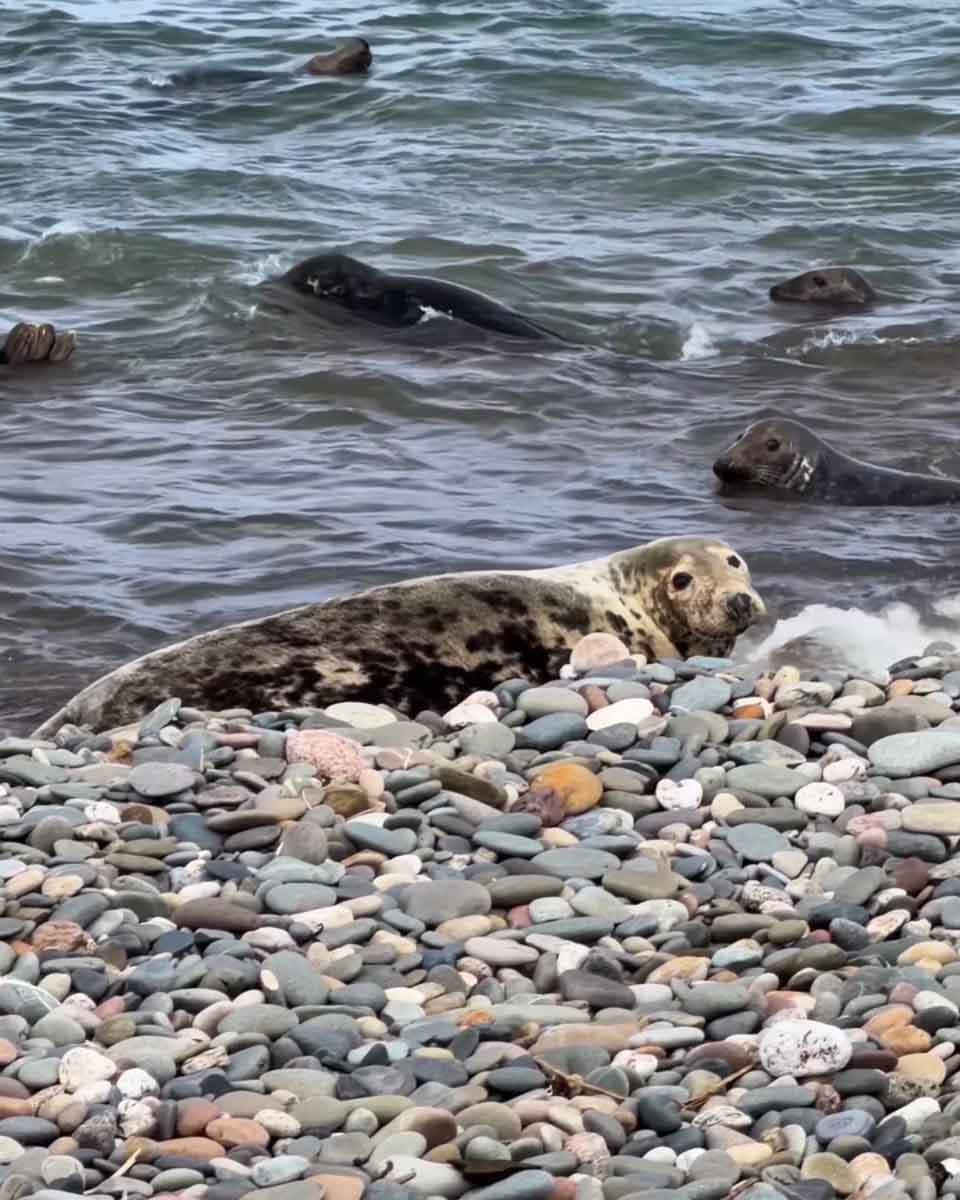
For a completely different landscape, drive north to Point of Ayre, the most northerly point of the Isle of Man.
It felt wonderfully wild and open here, with its pebble shoreline, lighthouse and sea stretching out in front of us. I’d give yourself time for a wander rather than simply stopping for a photo.
It’s also a great place to look for wildlife. We were lucky enough to spot seals swimming just offshore, while dolphins, whales and basking sharks can also be seen around the Manx coastline.
And then there are the wild wallabies. Yes, really! They live around the Curraghs wetlands in the north of the island, and your best chance of spotting them is around dawn or dusk.
All that nature makes a little more sense when you learn that the Isle of Man is the world’s only whole-nation UNESCO Biosphere Reserve.
Getting there: Point of Ayre is easiest to reach by car as there’s no direct bus service. I’d allow around an hour here if you want time to explore the shoreline and look for wildlife.
Good to know: Facilities are limited around Point of Ayre itself, so bring water and anything else you might need with you.
Seal watching: Please give seals plenty of space. Manx Wildlife Trust recommends staying at least 50 metres away from seals on land and using binoculars or a zoom lens for a closer look. If a resting seal lifts its head to watch you or starts moving away, back off and give it more space.
3. Take the Isle of Man Steam Railway*

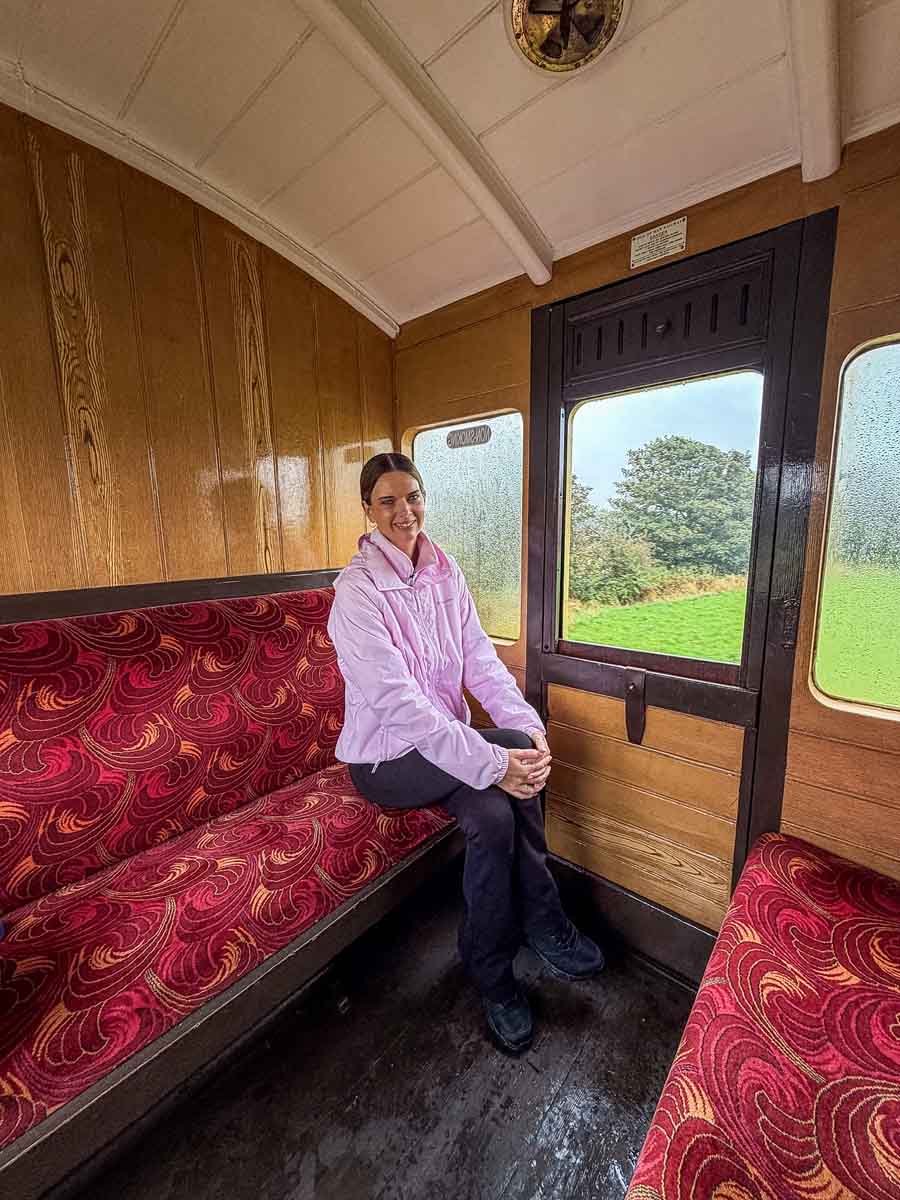
You definitely don’t need to be a railway enthusiast to enjoy this one.
The Isle of Man Steam Railway opened in 1873 and is the longest narrow-gauge steam line in Britain still operating with its original locomotives and carriages. The railway runs between Douglas and Port Erin, with stops including Castletown along the way.
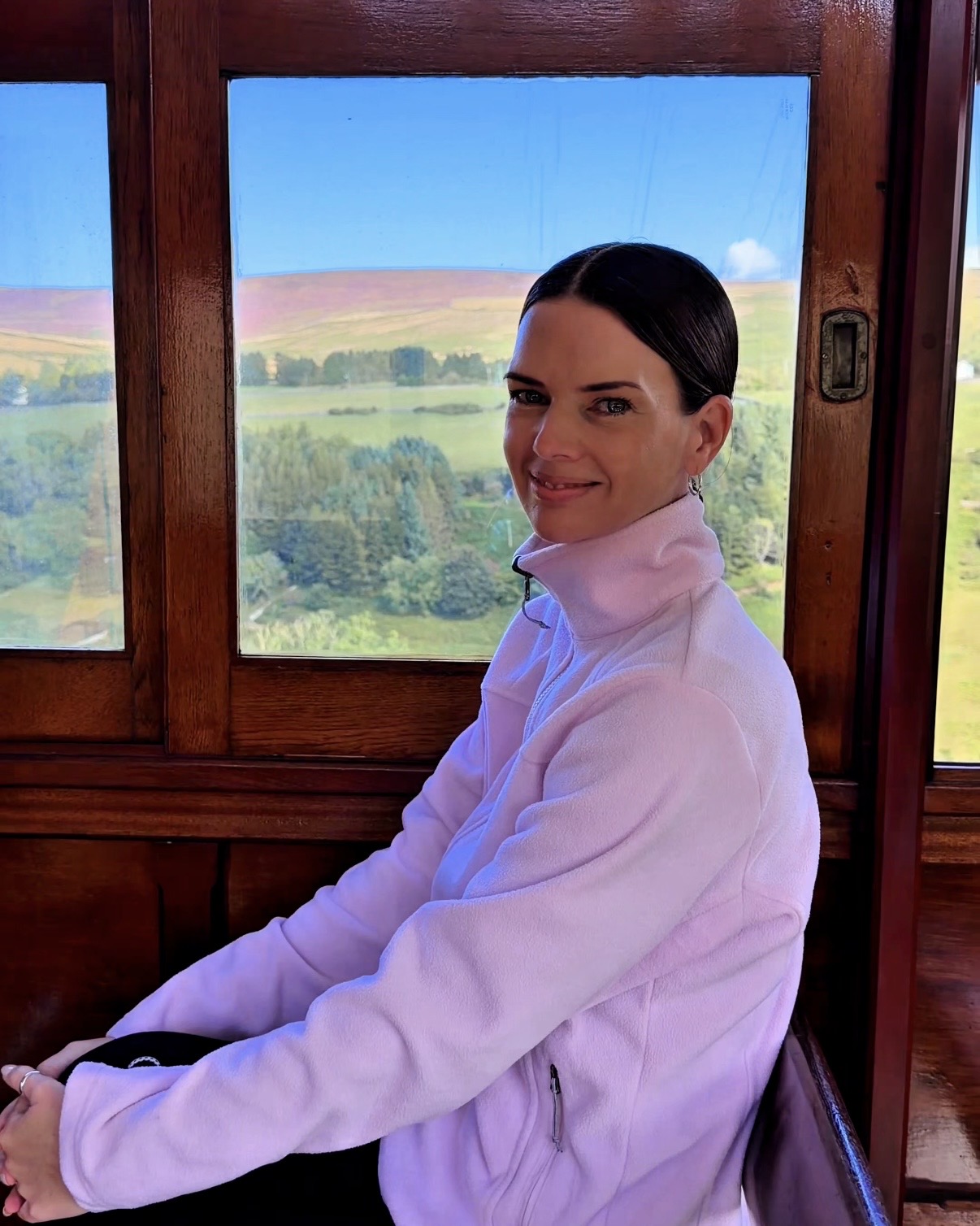
We travelled from Castletown to Port Erin, and I loved that getting there became part of the experience rather than simply another car journey. The journey takes around 20 minutes, so it’s really easy to work into a day exploring the south of the island.
Sitting in an old carriage watching the Manx countryside roll past forces you to travel at a completely different pace.
I’d combine the railway with Castletown and Port Erin rather than treating it as a standalone attraction. Explore Castle Rushen and Castletown first, take the train to Port Erin, then spend some time by the beach before heading back.
Good to know: The Steam Railway runs seasonally, so check the timetable for your travel dates before planning your day.
*This attraction is included with the Go Explore Heritage Card.
4. Explore Castletown and Castle Rushen*
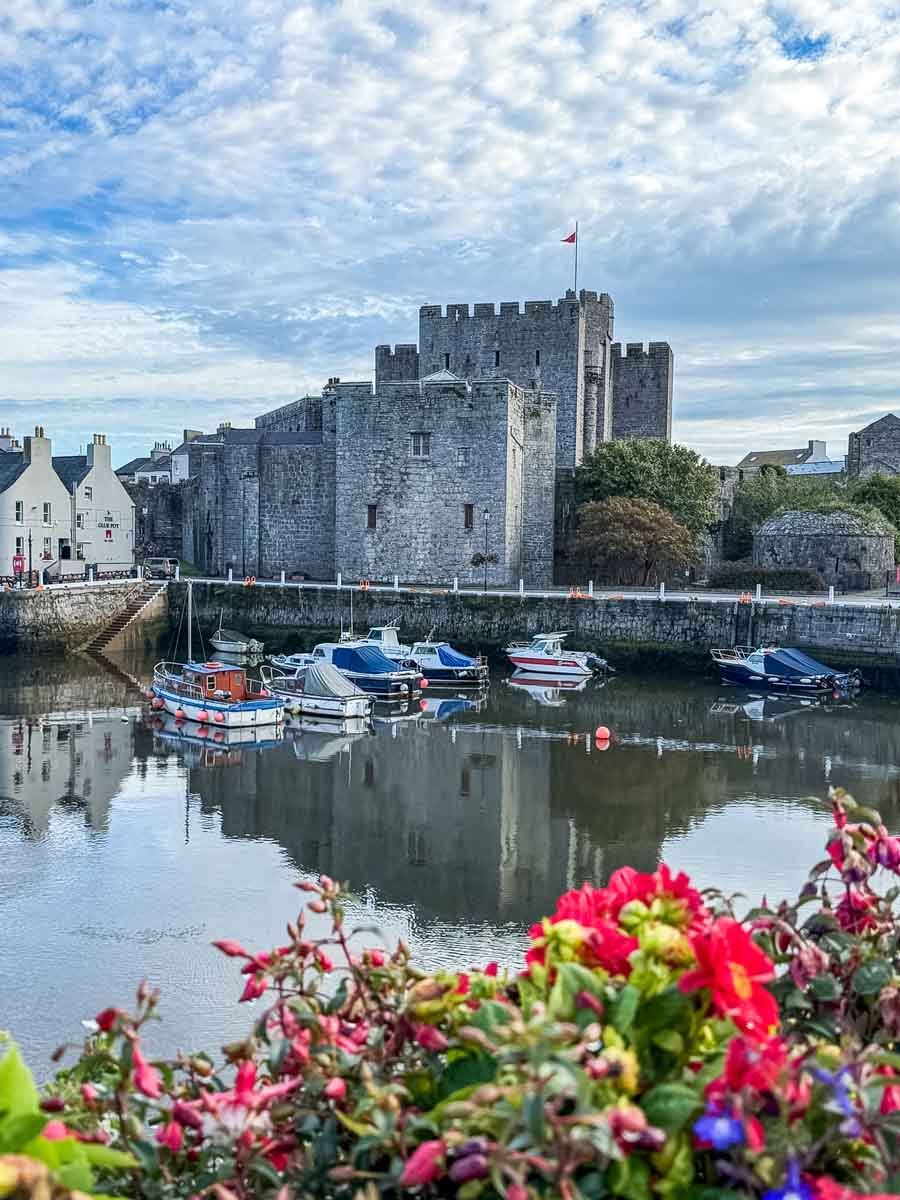
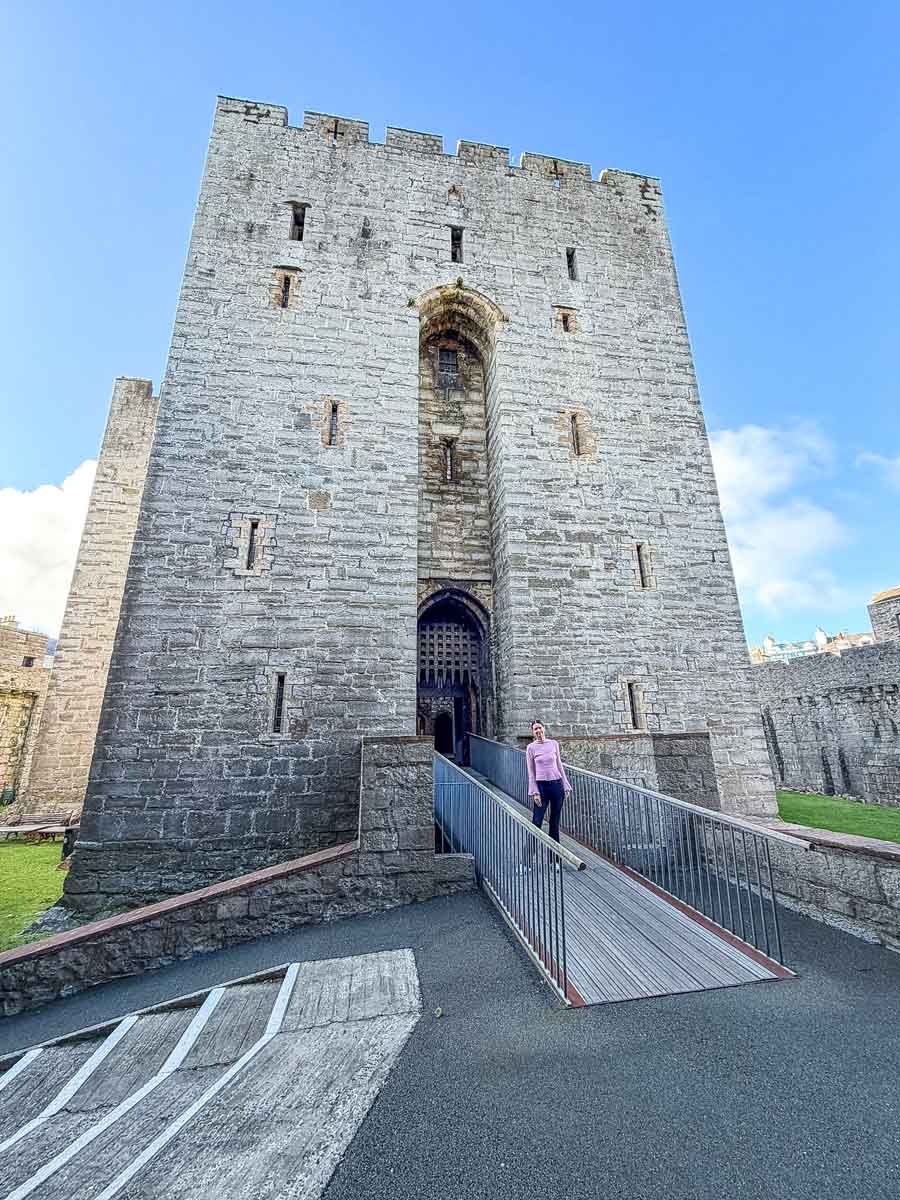

We based ourselves in Castletown, and I really liked having one of the island’s most historic towns right outside our door.
At its heart is Castle Rushen, one of the best-preserved medieval castles in the British Isles. Originally built for a Norse king, the castle has had quite a life over the centuries, serving as a royal residence, mint and even a prison.
*This attraction is included with the Go Explore Heritage Card.
You can explore the rooms and chambers inside before climbing higher for views across Castletown. I’d allow around 1–1.5 hours for the castle, then leave some extra time to wander around the town itself.
Because we stayed here, Castletown became our little base for dinner in the evenings, and I loved coming back somewhere that felt small and relaxed after a day exploring.
If you’re hiring a car and would rather stay somewhere historic and quieter than Douglas, I found Castletown a really convenient base. It also works well with a trip on the Isle of Man Steam Railway, which stops in Castletown and can take you on to Port Erin.
Planning your visit: Castletown is compact and easy to explore on foot once you’re there, with several places to park around town. Some areas use disc parking, so check the signs and display your parking disc where required.
5. Explore Peel, Peel Castle* and Fenella Beach
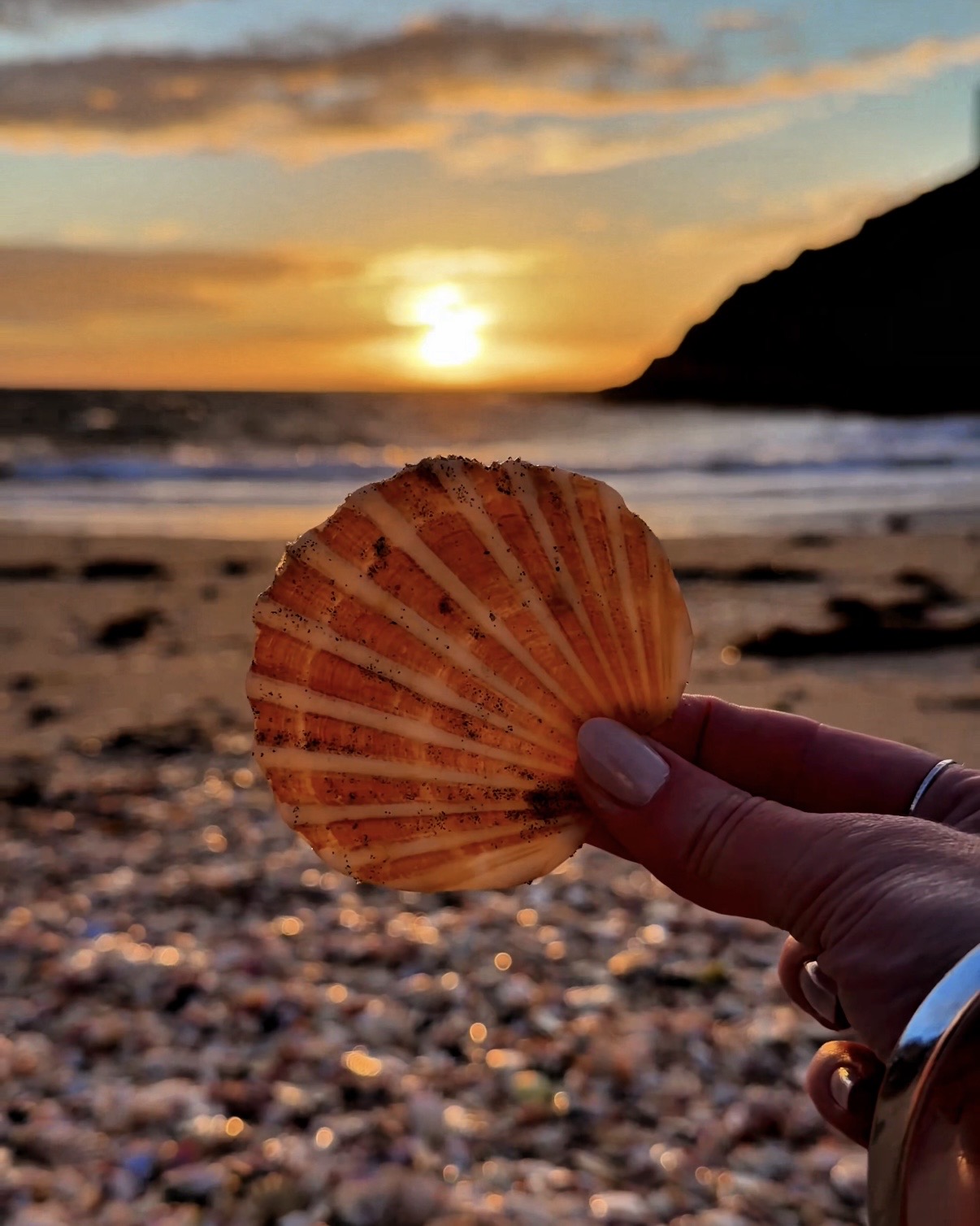

I’d definitely make time for Peel, particularly if you can stay until sunset.
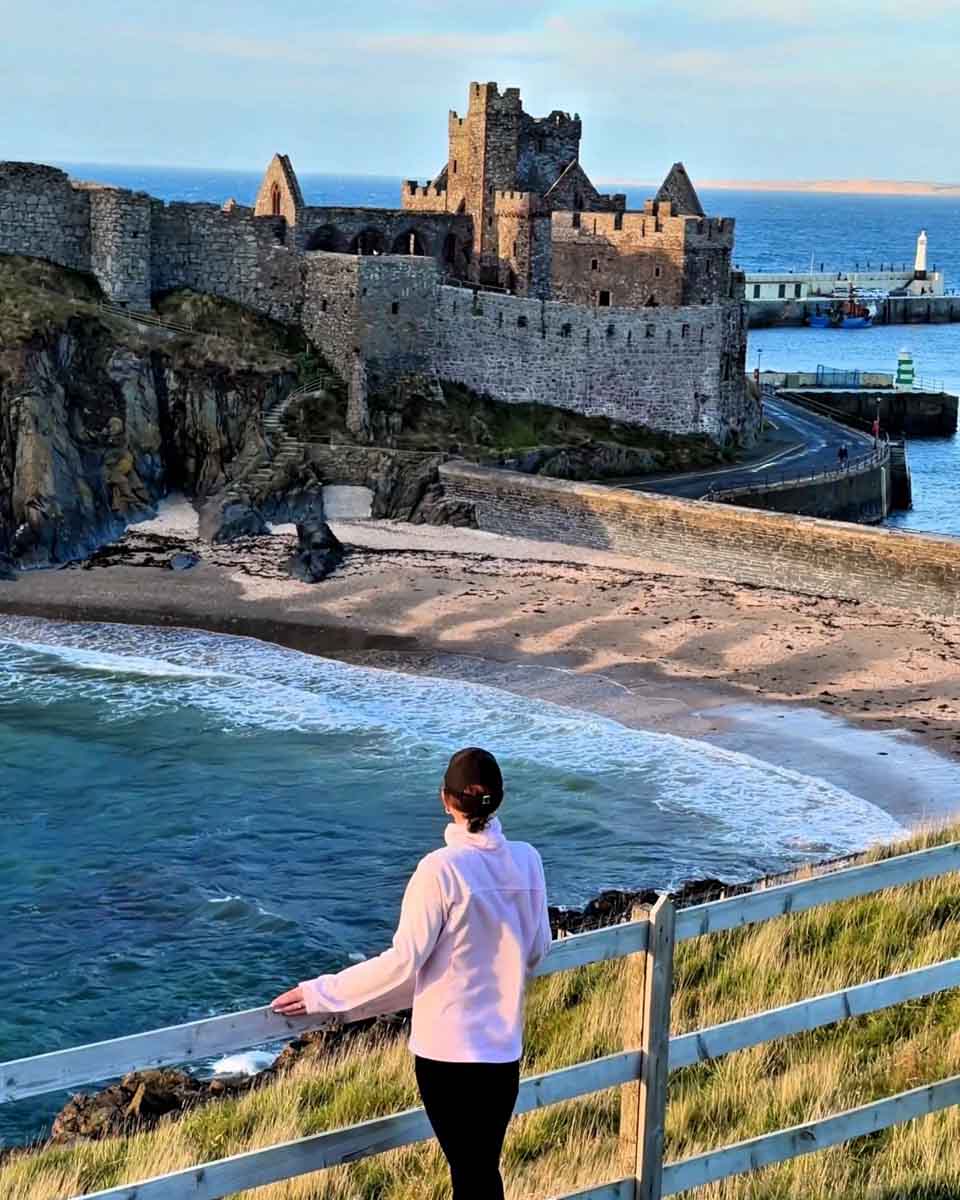
Peel is known locally as “Sunset City”, and we spent one evening walking up Peel Hill to watch the sun go down beside Peel Castle and the sea. It was such a simple part of the trip, but one of the moments I remember most.
Peel Castle is worth exploring too. Sitting on St Patrick’s Isle, the fortress was constructed by the Vikings in the 11th century, although the site’s history stretches back even further.
*This attraction is included with the Go Explore Heritage Card.
Just below the castle is Fenella Beach, a little cove where scallop shells regularly wash ashore. When we visited, the beach was covered in them 🐚
Between the castle, harbour, beach and sunset, I’d give Peel a good few hours rather than treating it as a quick stop.
Planning your visit: Peel is compact and easy to explore on foot once you’ve parked. If you want to visit the castle, Fenella Beach and walk up Peel Hill for sunset, I’d allow around half a day.
6. Spend Some Time in Port Erin

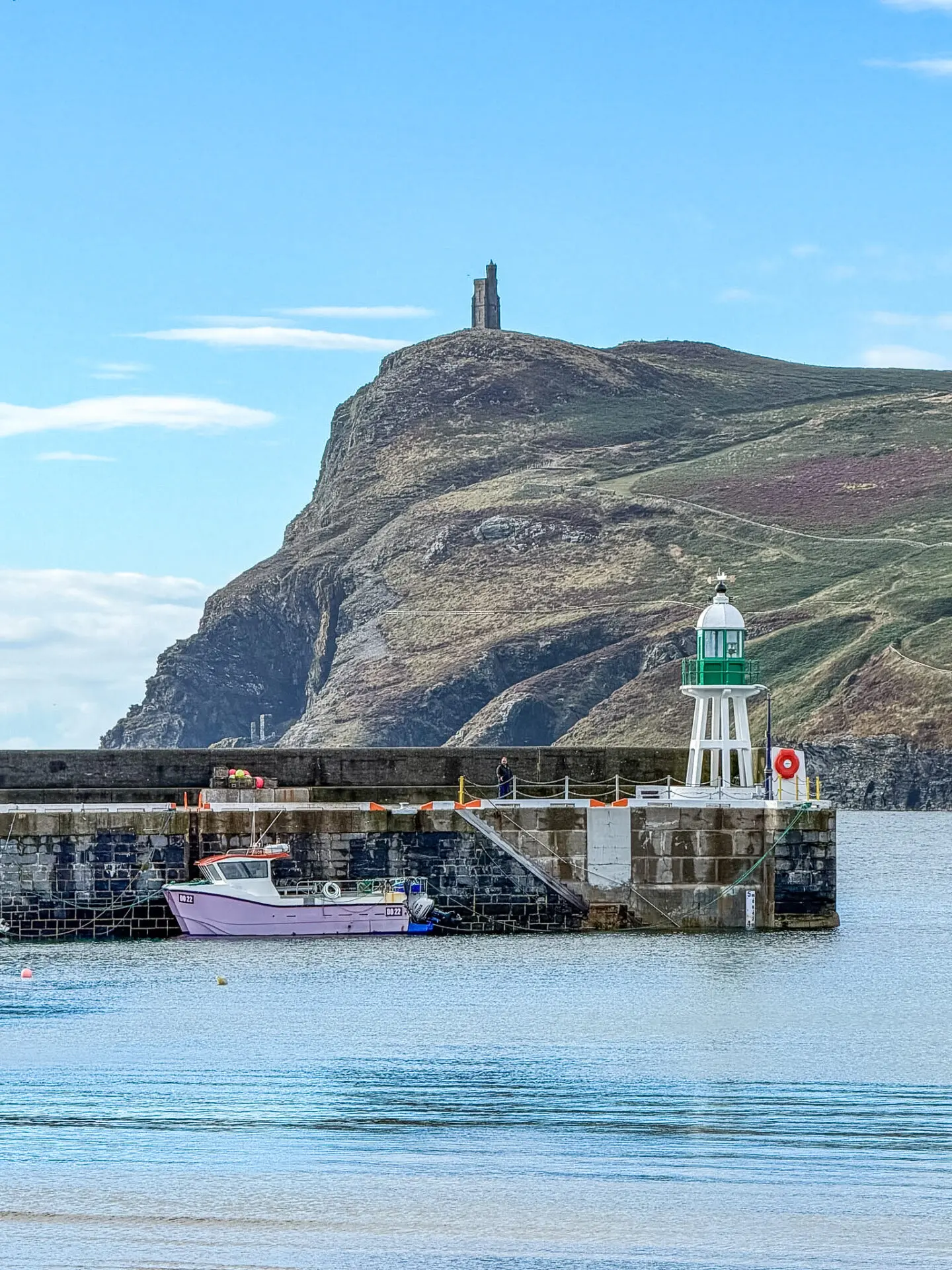

Port Erin is another place I’d leave a few hours for rather than simply passing through.
The seaside town sits around a sheltered sandy bay in the southwest of the island, backed by the cliffs of Bradda Head. You can spend some time on the beach and promenade, or walk through Bradda Glen towards Milner’s Tower for views back across Port Erin Bay and towards the Calf of Man.
We arrived on the Steam Railway from Castletown, and there’s also a small Railway Museum beside Port Erin Station if you want to learn more about the island’s historic railways.
We also stopped at Soaral for a candle-making workshop, which was a lovely slower addition to the day, and Port Erin is where we had one of my favourite wellness experiences of the trip, which I’ll come to next.
Planning your visit: Port Erin is easy to explore on foot, and I’d allow at least a few hours for the beach, town and one of the experiences here. If you want to walk up towards Bradda Head and Milner’s Tower too, give yourself longer.
7. Start the Morning at Kishtey Çheh Beach Sauna

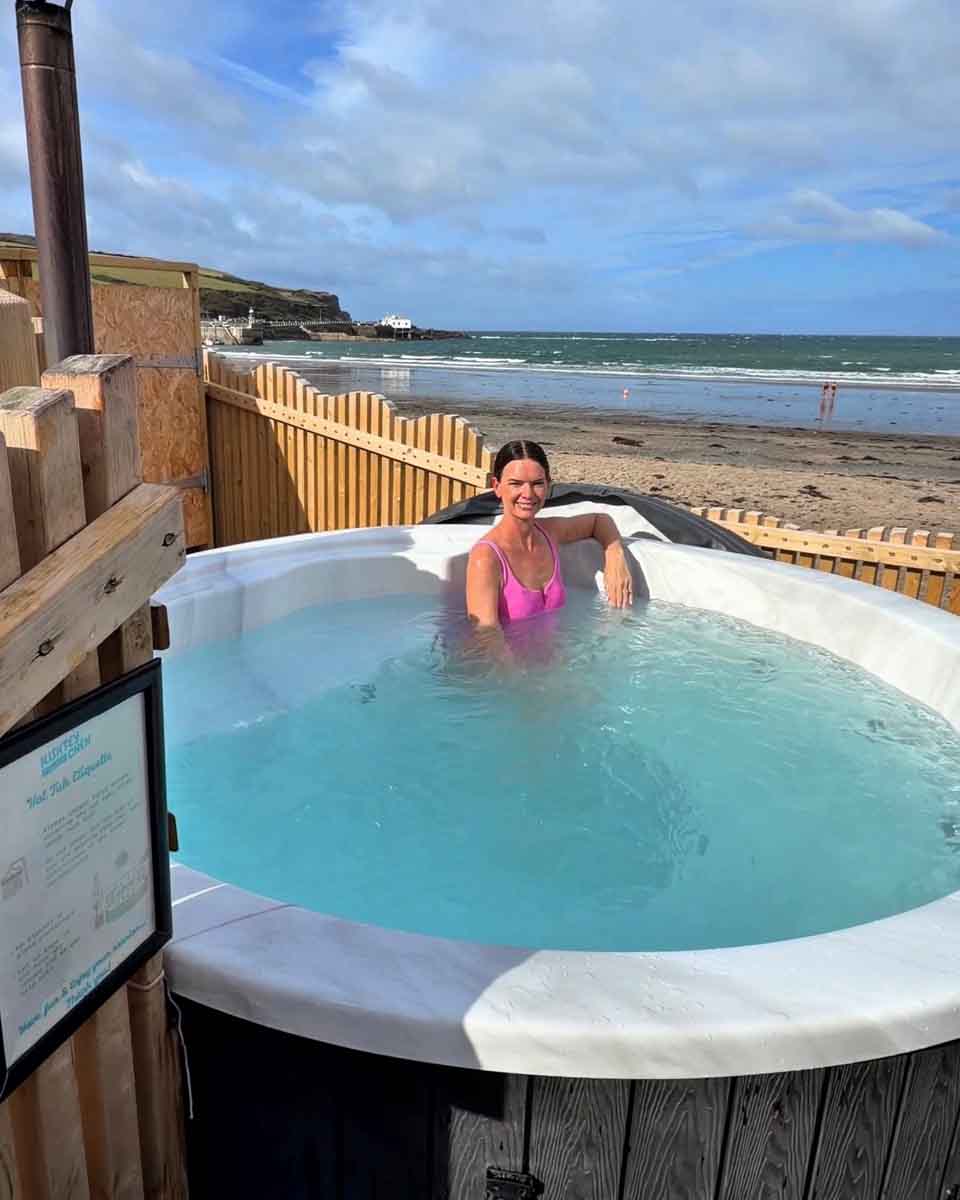
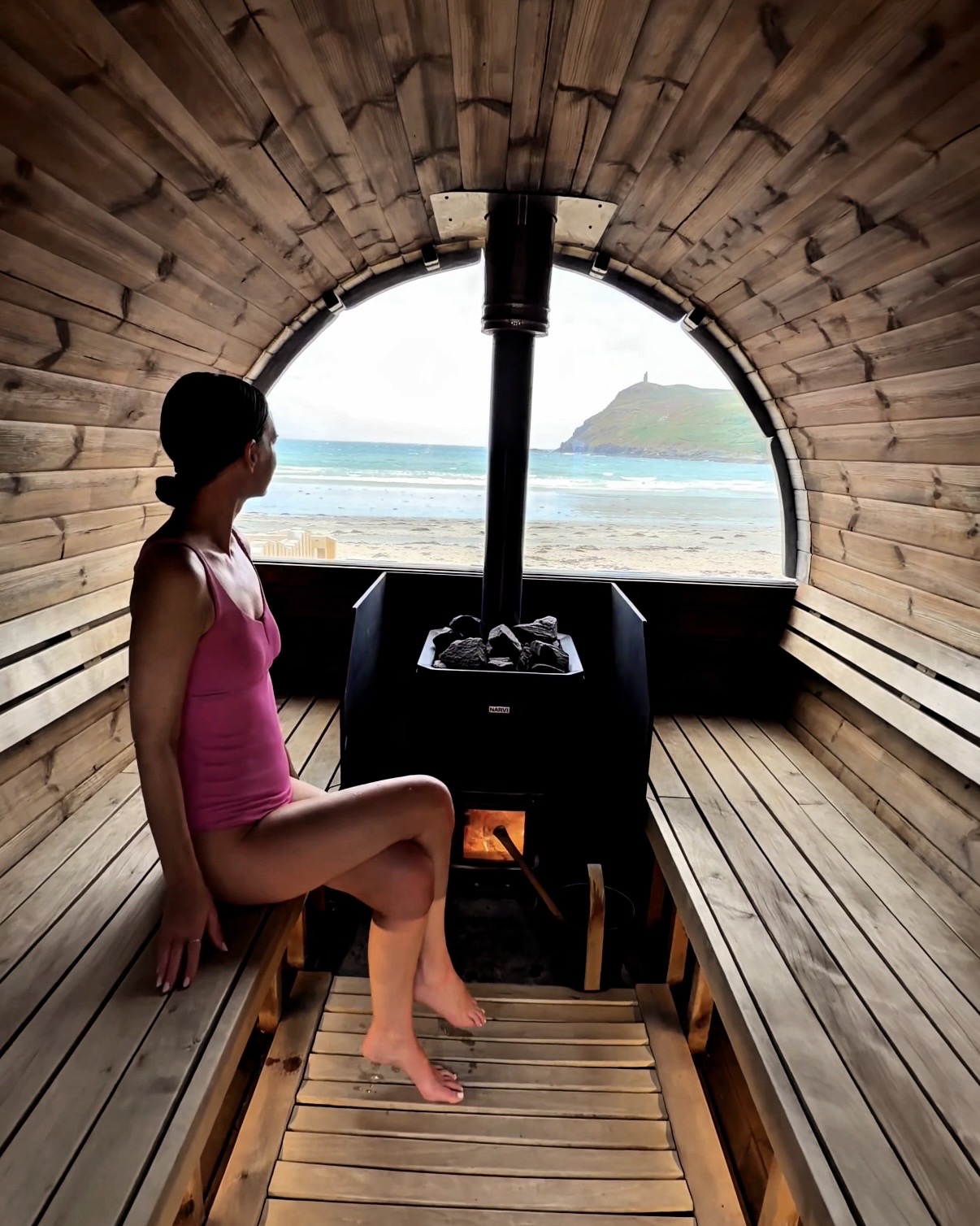
We started our morning at Kishtey Çheh, a wood-fired beach sauna right on Port Erin beach, warming up inside before heading straight out for a dip in the sea.
You can book a sauna session or sauna + hot tub session, with ice baths and cold showers too. There are shared sessions as well as private hire.
Some of my favourite wellness experiences are the ones that connect me to the place I’m visiting. Here, the sea, fresh air and beach are all part of it.
Good to know: There are wooden changing rooms on site and parking directly outside, although spaces are subject to availability. Because sessions can work around the tides, I’d check the booking calendar and book ahead.
8. Slow Down at Brightlife
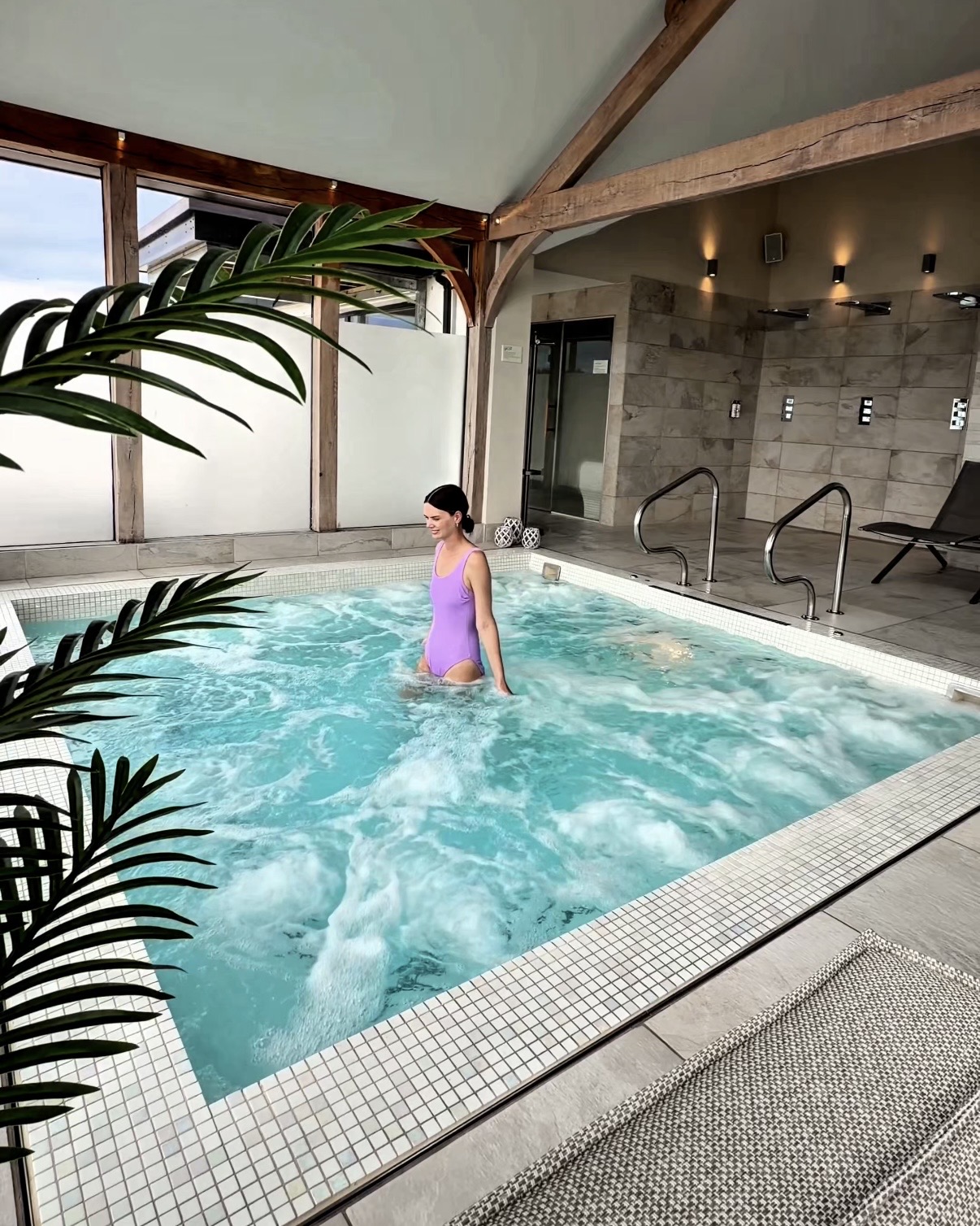

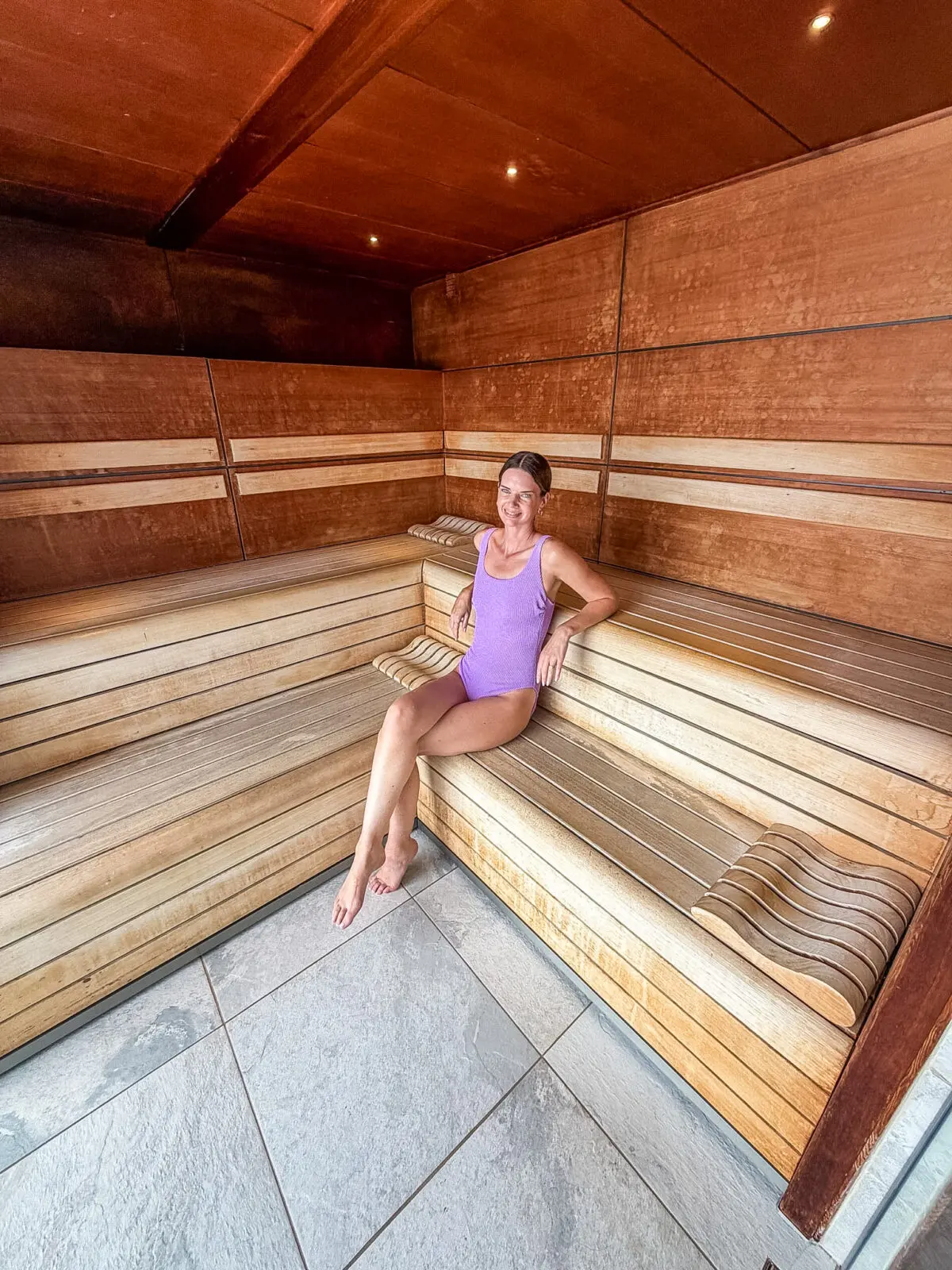
Brightlife gave us a completely different kind of wellness experience.
We spent an afternoon at this holistic wellness retreat, where we had massages before relaxing in the hydro pool, sauna and steam room.
There’s much more than the spa too, with yoga, Pilates, meditation, sound baths, holistic treatments and retreats all part of the offering.
Our massages were really good, and having a few hours here to properly switch off was such a lovely contrast to our days exploring outdoors.
For me, that’s what I liked about wellness on the Isle of Man. It could be a spa afternoon one day and a waterfall walk or sea swim the next.
Planning your visit: Brightlife is in Andreas in the north of the island, surrounded by Manx countryside. I found having a car the easiest way to get there. Spa sessions and treatments should be booked in advance, and I’d allow a few hours so you have time to properly enjoy the facilities.
9. Walk Through Glen Maye National Glen

If waterfalls and ridiculously green woodland are your thing, save Glen Maye.
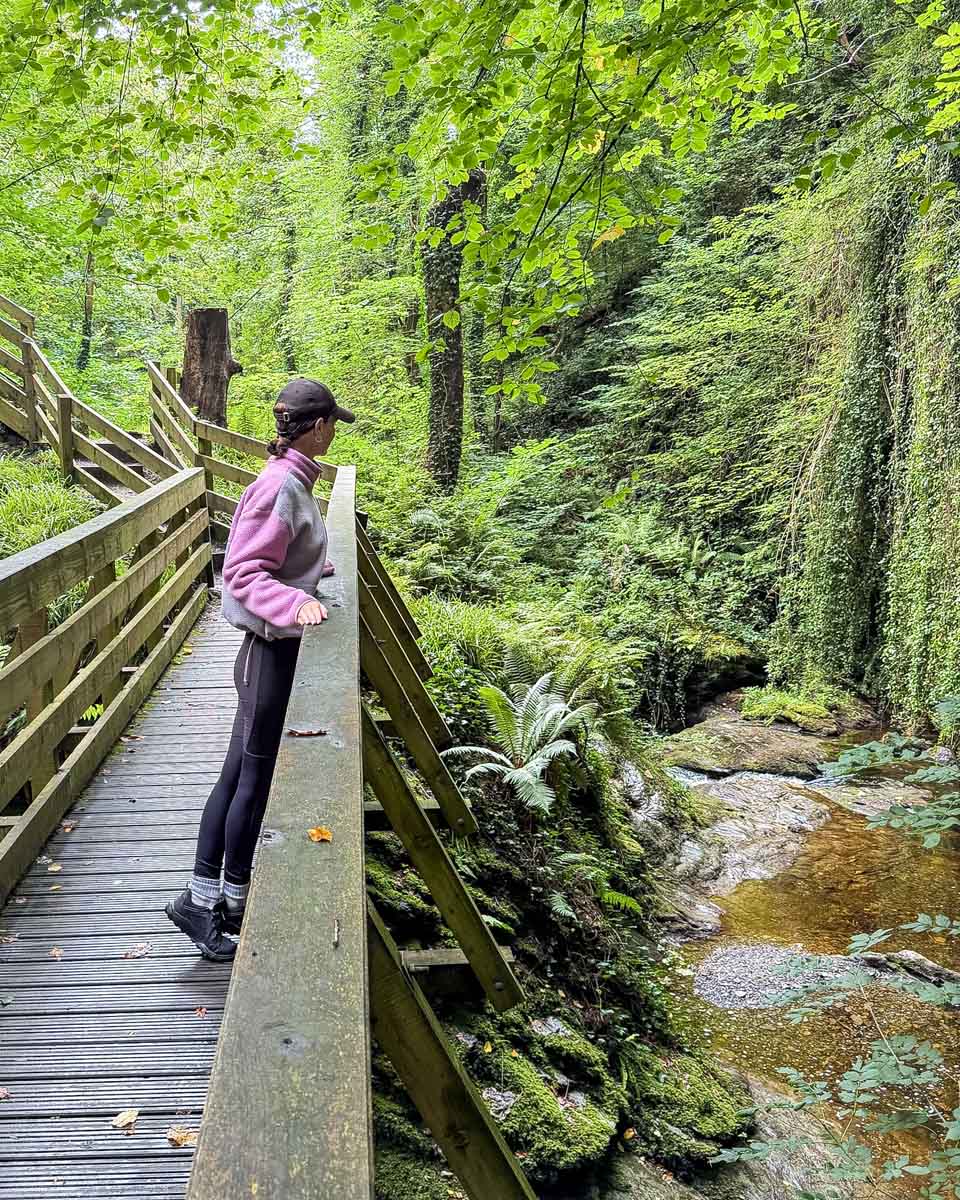
This was one of my favourite natural spots on the island. The paths wind through lush woodland alongside the stream, past the waterfall and eventually down towards the coast.
There’s also a pool beneath the waterfall that’s popular for wild swimming, so bring your swimsuit if you fancy a dip.
I wouldn’t simply walk to the waterfall, take a photo and turn around. Give yourself time to wander through the glen and enjoy the whole place.
The Isle of Man has 18 National Glens, and exploring some of them was one of my favourite ways to experience the island away from its better-known attractions.
Planning your visit: Glen Maye is on the west coast, south of Peel. There’s parking near the entrance, and I’d allow around an hour to explore the woodland and waterfall. Give yourself longer if you’re planning to wild swim or continue down towards the coast. Wear shoes with decent grip as the paths can be wet and slippery.
Wild swimming: Conditions can change quickly, so always check the water and weather conditions before getting in, know your limits and avoid swimming alone.
10. Walk The Chasms
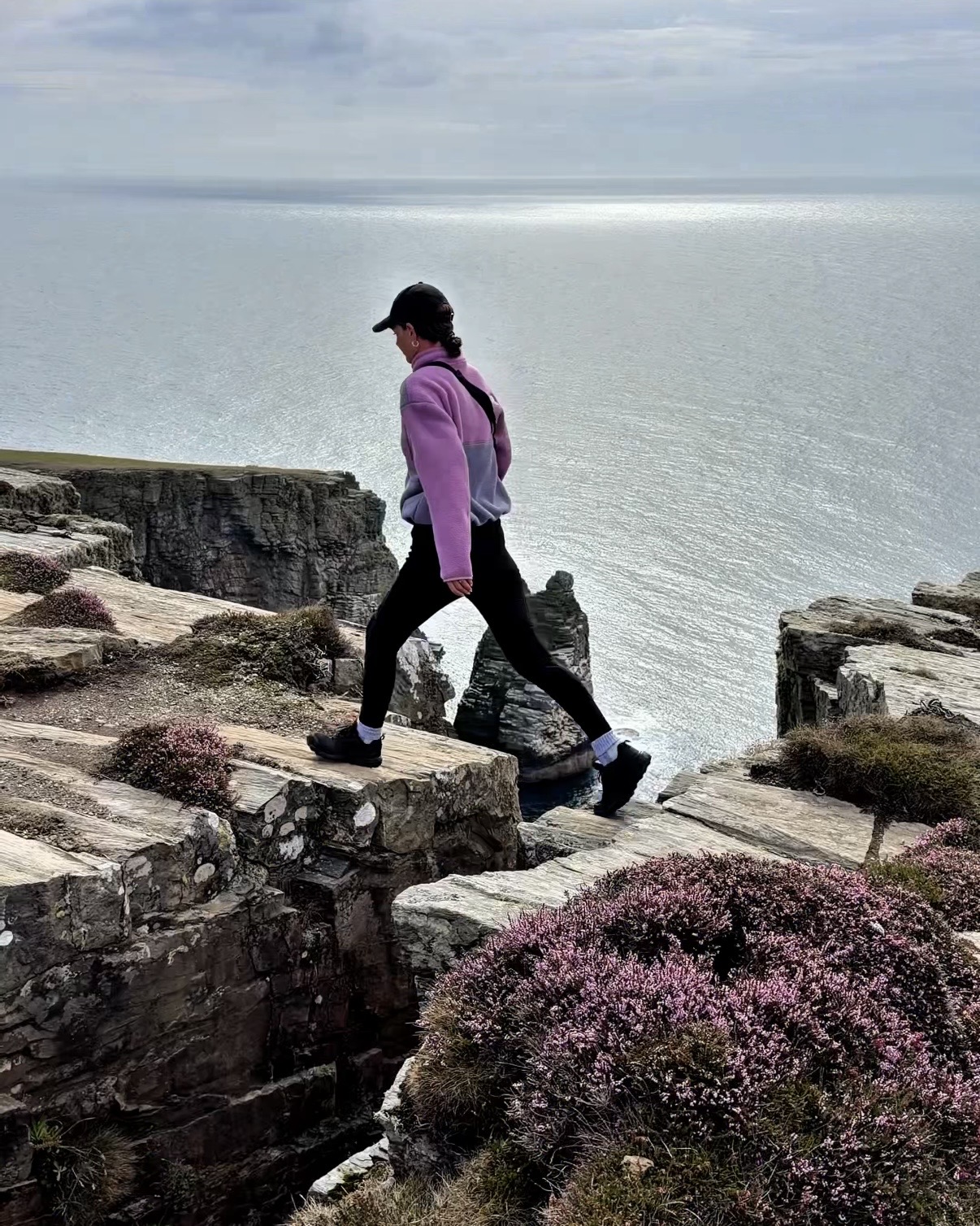
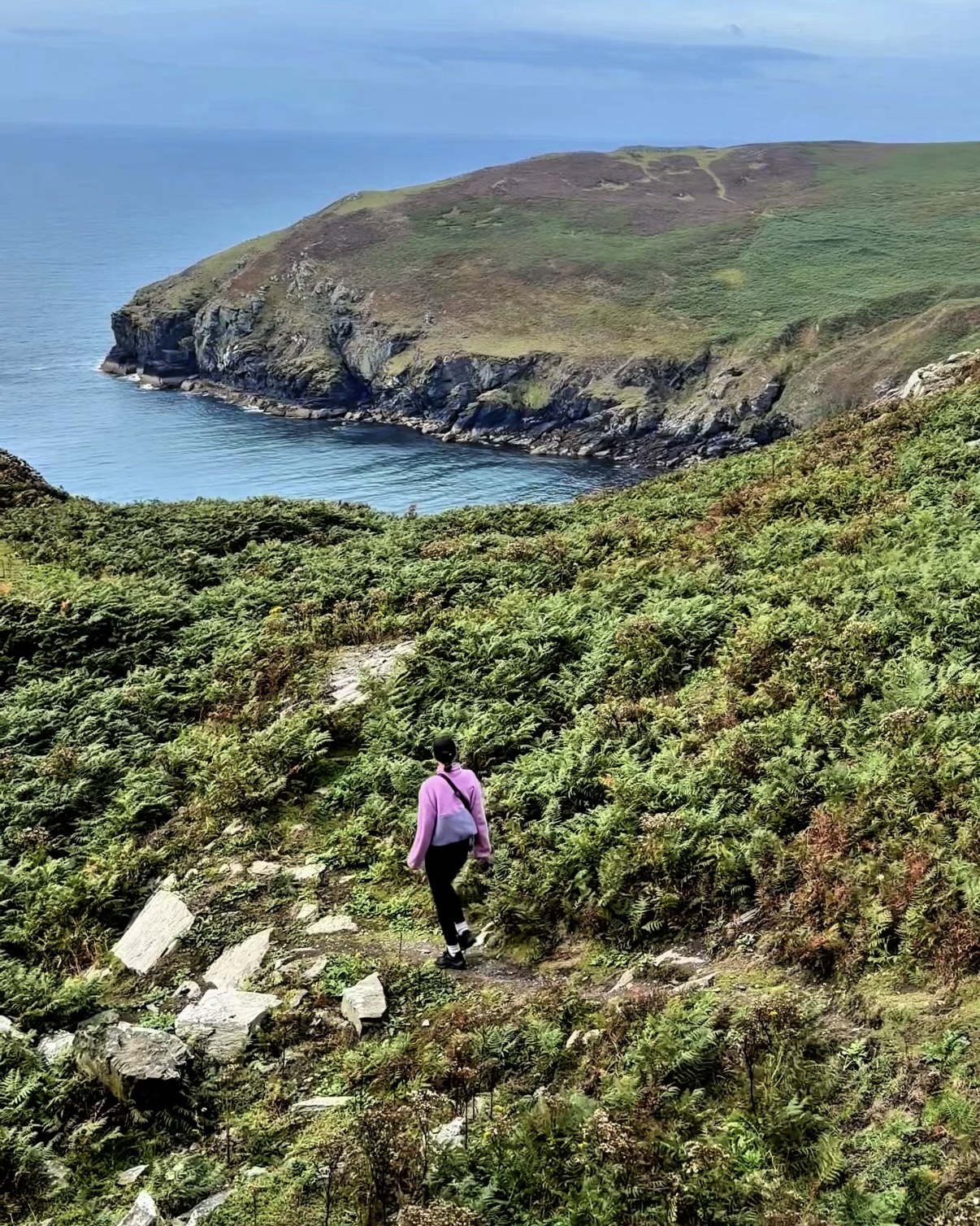
From green woodland to dramatic coastline, The Chasms showed us yet another side of the island.
Here it’s all rugged cliffs, open sea and big coastal views.
We explored The Chasms as part of a day with local guide Andy North, and this was one of those places where I was really glad to have someone with us who knew the landscape.
We also walked a little further along Spanish Head, where the purple heather was beautiful when we visited. We spotted lots of birdlife out along the cliffs and stopped at Cronk Karran, a Neolithic stone circle thought to have been either a burial circle or hut circle.
The contrast between places like this and the glens is what really surprised me. You can go from waterfalls and woodland to exposed coastline and mountain landscapes without spending hours travelling between them.
Planning your visit: The Chasms are in the south of the island near Cregneash, with parking nearby. You can visit for a shorter coastal walk and viewpoints rather than committing to a long hike. Wear sturdy footwear and take particular care around the exposed cliffs, deep fissures and uneven terrain.
11. Walk Among the Giant Trees at Glen Helen
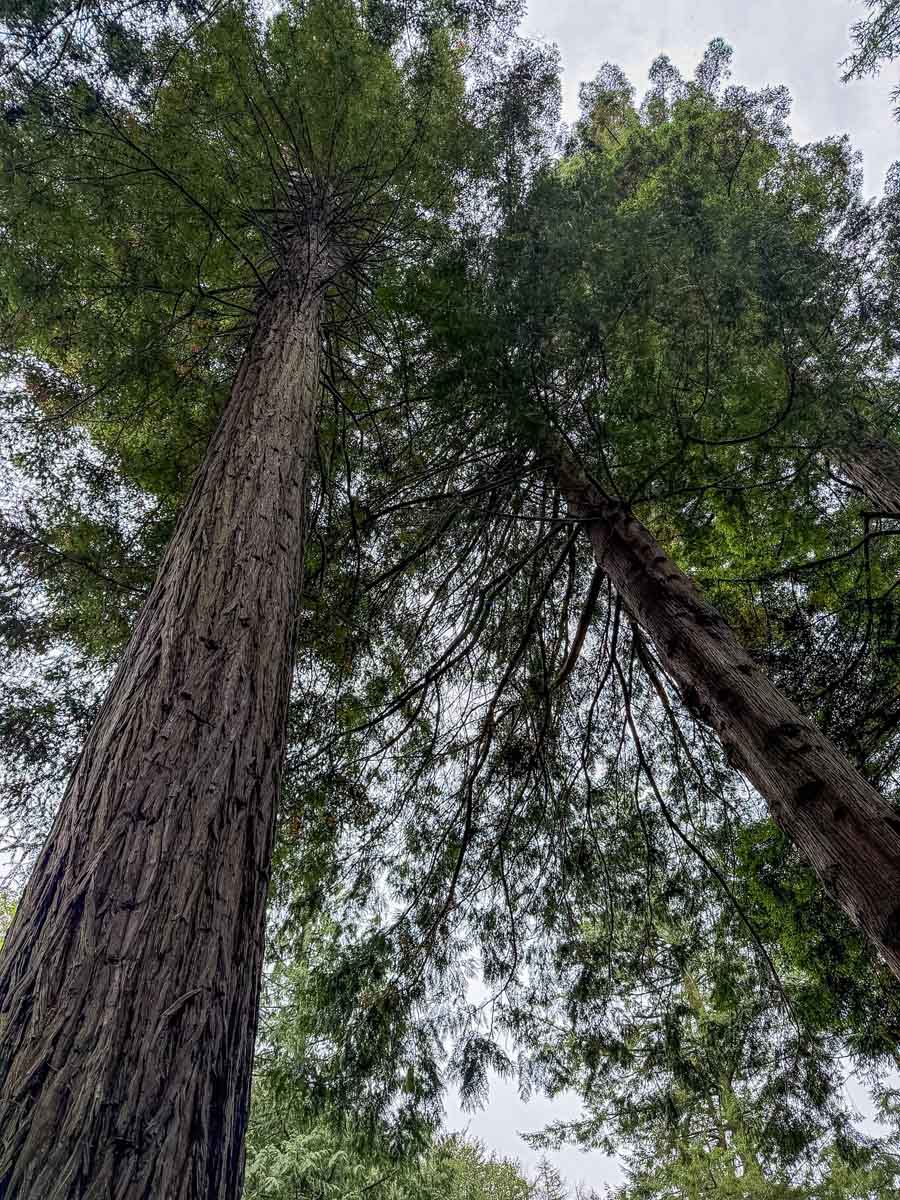
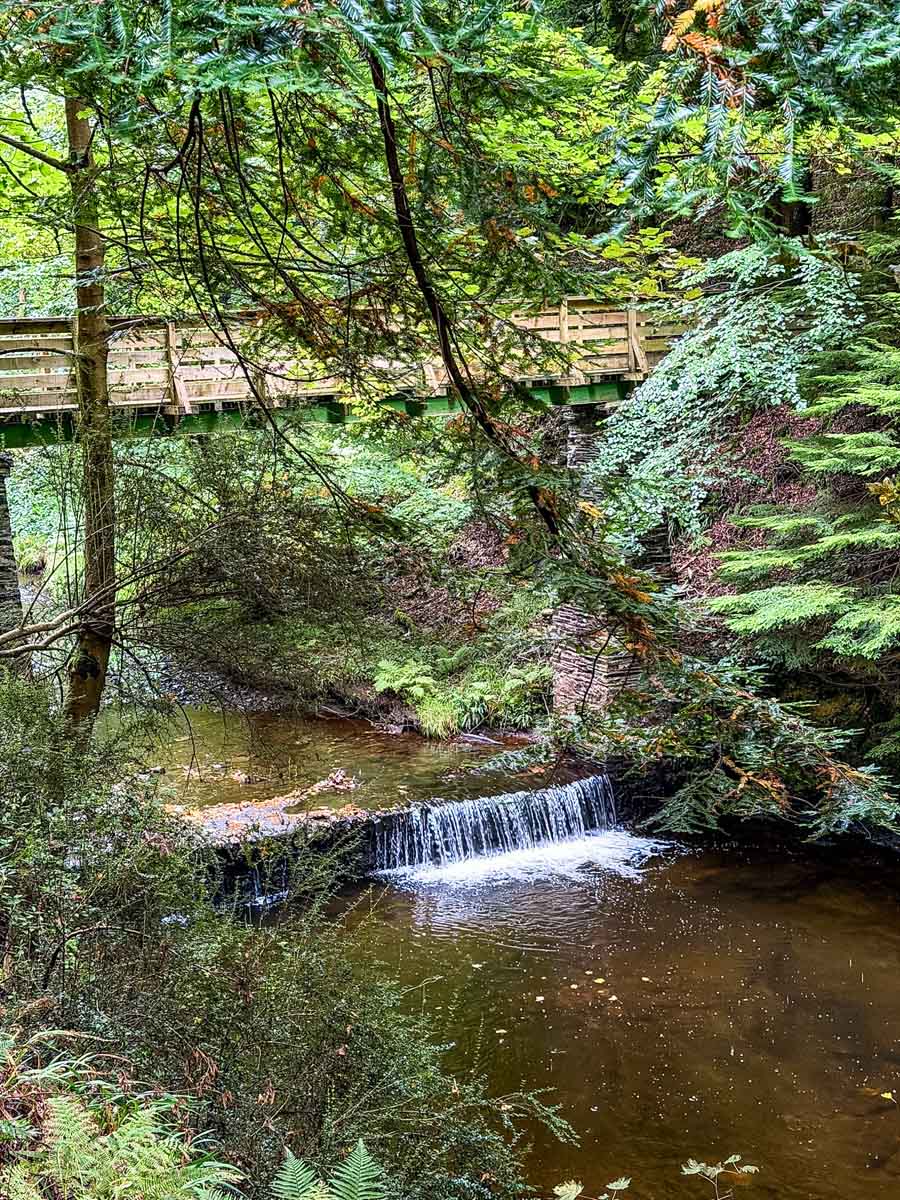
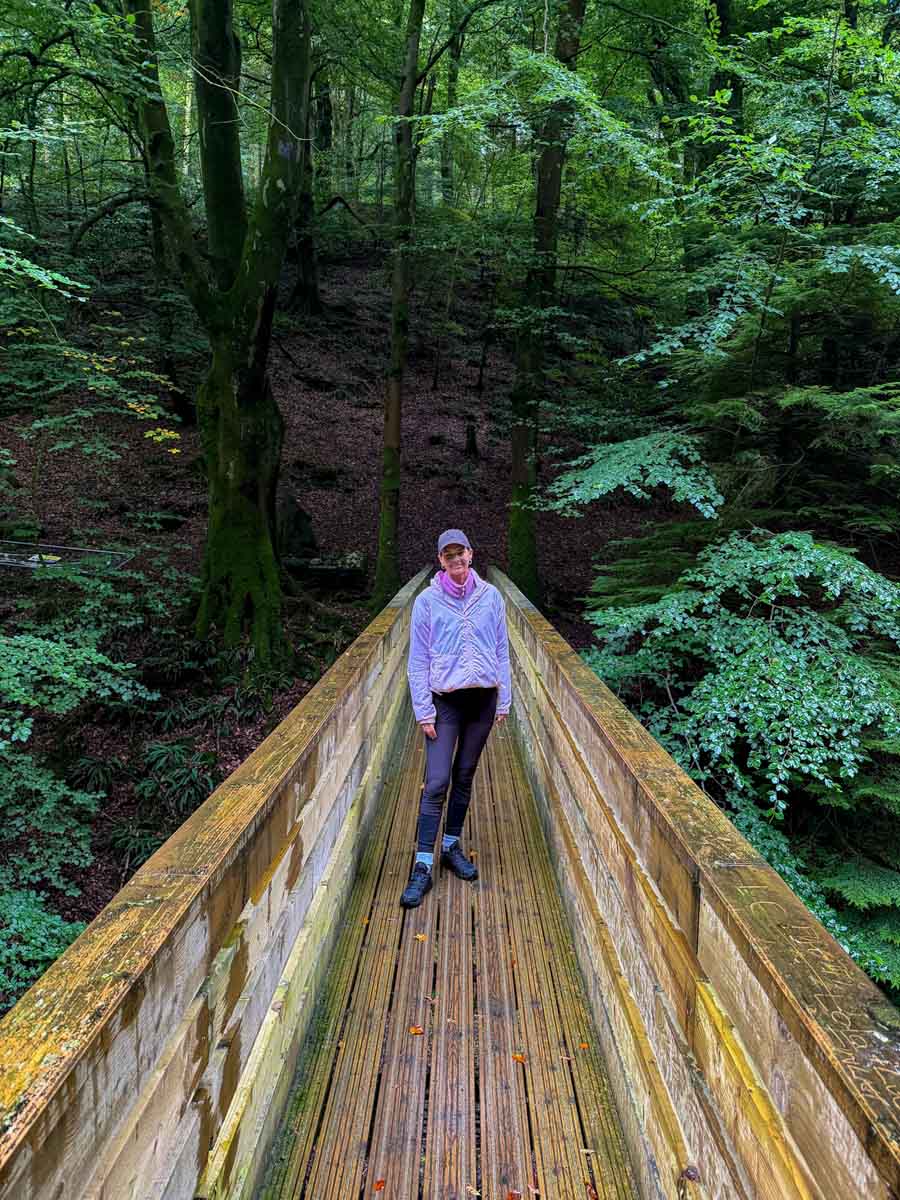
Our other glen was Glen Helen, and this felt completely different again.
The wooded valley is filled with mature trees including sequoias, Douglas firs, spruces, oaks and beeches, with paths following the rivers through the glen towards Rhenass Falls.
Some of the trees here are enormous, and walking beneath them was probably what I loved most.
There’s history behind the landscape too. Glen Helen was developed as a Victorian pleasure ground in the 1860s, when trees and ornamental shrubs were planted and paths and bridges created through the glen.
Planning your visit: Glen Helen is in the west of the island, around a 15-minute drive from Peel. There’s parking at the glen, and you can follow the woodland trails towards Rhenass Falls. Wear shoes with decent grip, particularly after rain.
Good to know: Check current access before visiting, as parts of Glen Helen have been affected by storm damage and closures.
12. Explore Niarbyl Beach and Sea Caves

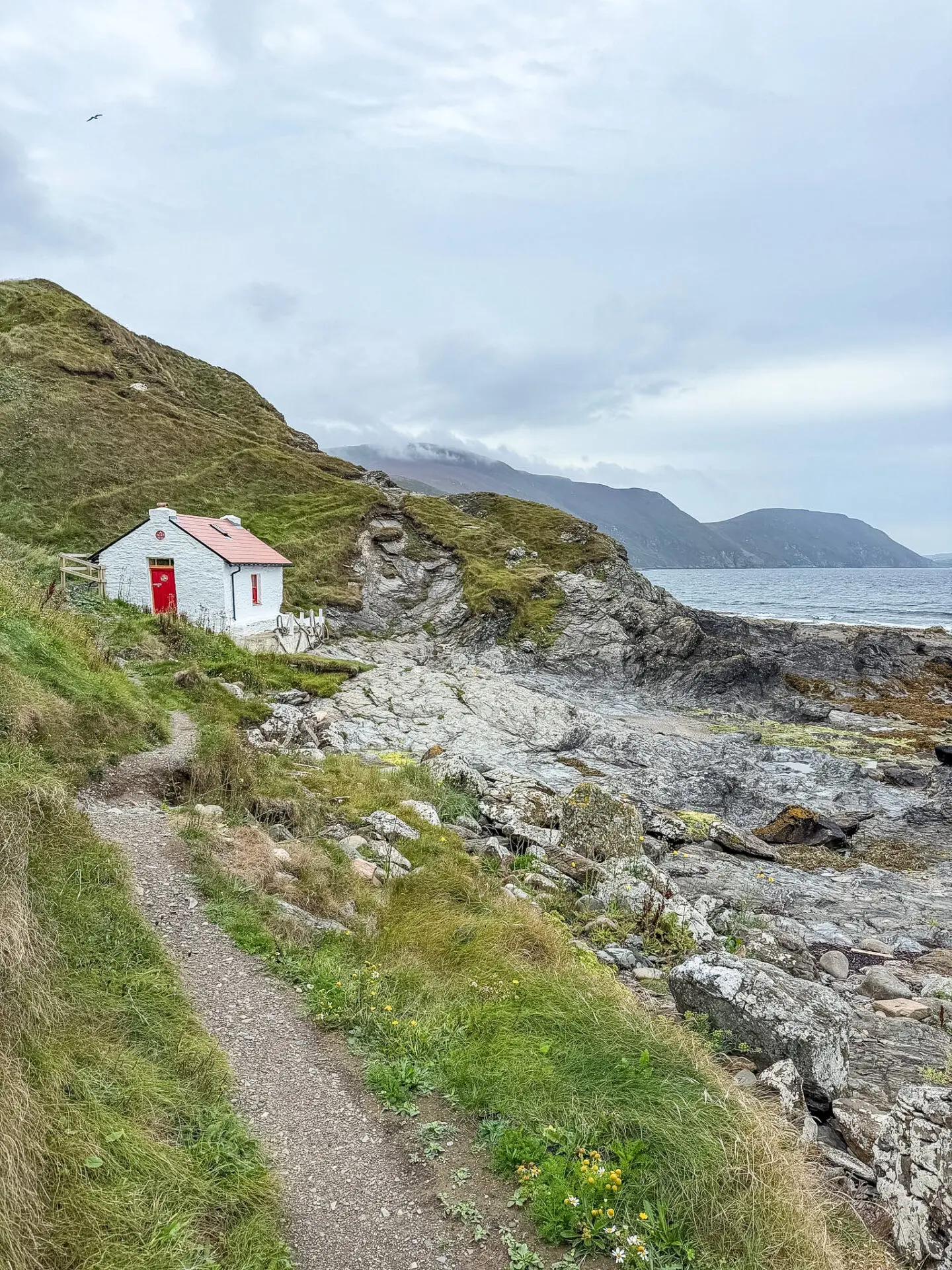
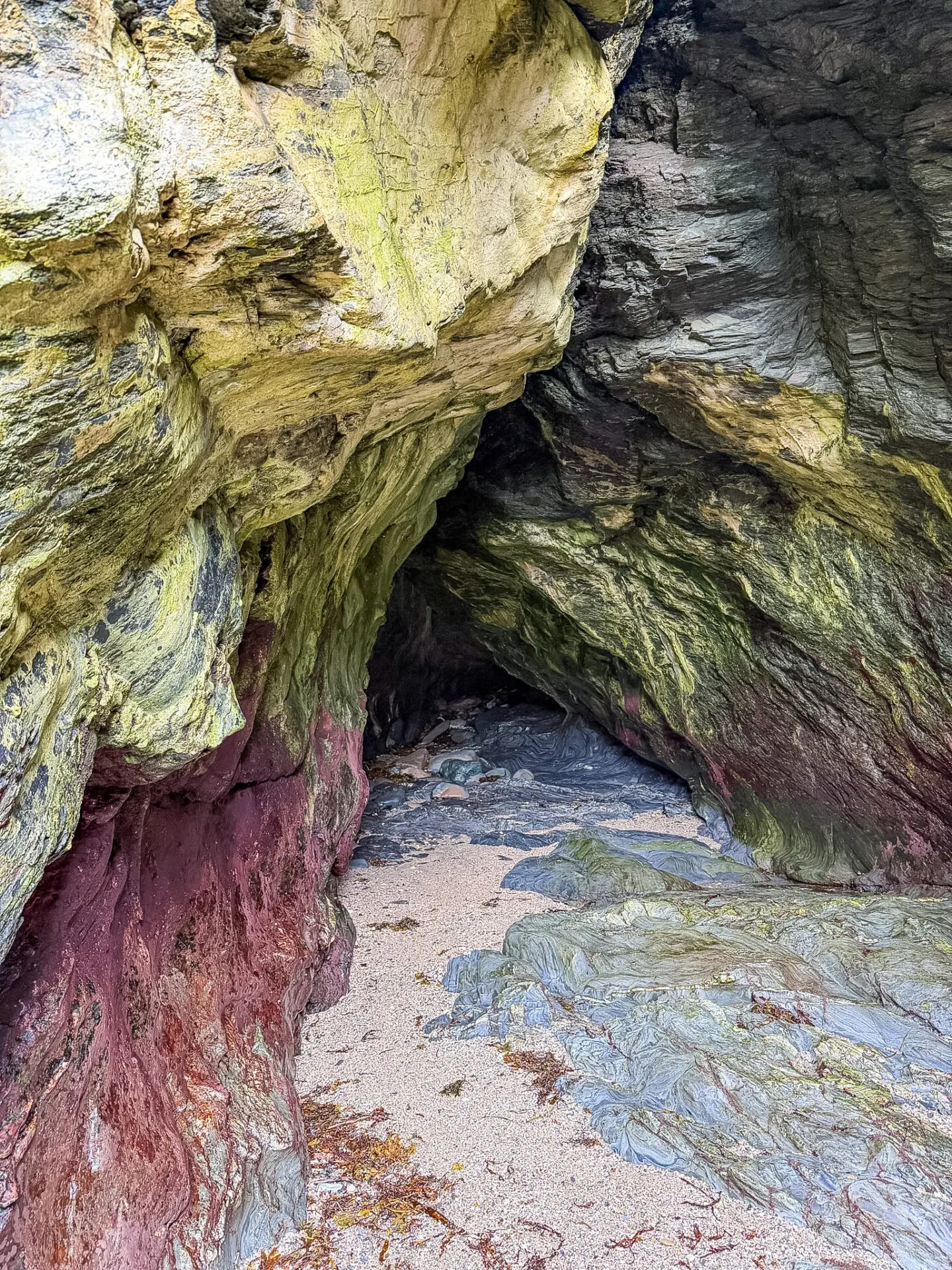
We explored the coastline with local guide Andy North, finding sea caves tucked into the rocks and walls covered in beautiful colours from lichen. Having Andy with us made such a difference here because he pointed out details in the landscape I probably would have walked straight past.
Niarbyl is fascinating geologically too. The rocks here originated from two different ancient continents, with a major fault marking where they eventually came together and the ancient Iapetus Ocean between them disappeared.
There are sea caves and rock formations along this stretch of coastline, although access can depend on the tide and conditions.
Planning your visit: Niarbyl is on the west coast, around three miles south of Peel, with parking nearby. You can walk down to the bay and explore independently, but always check the weather, sea conditions and tide times before exploring around the shoreline and caves.
Exploring sea caves: Always check the tide times, weather and sea conditions before exploring. Tides can change quickly and access can be cut off, so if you’re unsure, explore with an experienced local guide.
Where to eat in the Isle Of Man
These are the places we actually tried and loved during our trip.

A lovely quayside restaurant overlooking Peel marina and castle, specialising in local seafood. We tried their famous Manx Queenie Pancake with bacon, Manx cheddar and a creamy white wine sauce. Definitely one to try.

An intimate Japanese restaurant and one of our favourite dinners in Castletown. If you can, book a seat at the counter to watch the chefs in action. It’s popular, so I’d definitely book ahead.

A relaxed spot for BBQ and smokehouse-style food in Castletown. Portions are generous, so definitely arrive hungry.

We stopped here for lunch and its location directly opposite Castle Rushen makes it really convenient while you’re exploring Castletown.

A casual cycling-themed café that’s a good stop for breakfast, brunch or coffee while you’re out exploring.
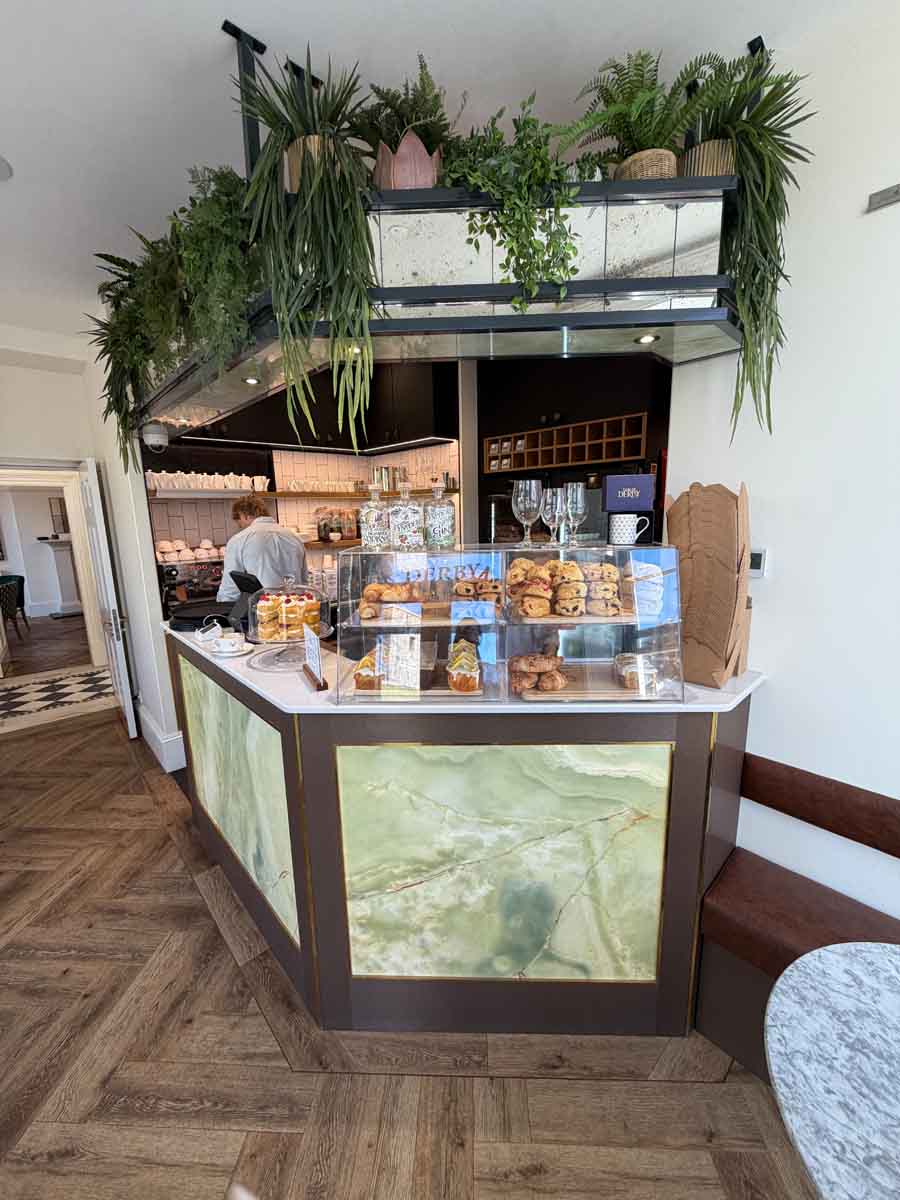
Downstairs from the suites at Derby House, making it particularly convenient for breakfast and coffee if you’re staying here. We had breakfast here during our stay.
Where to stay in the Isle of Man

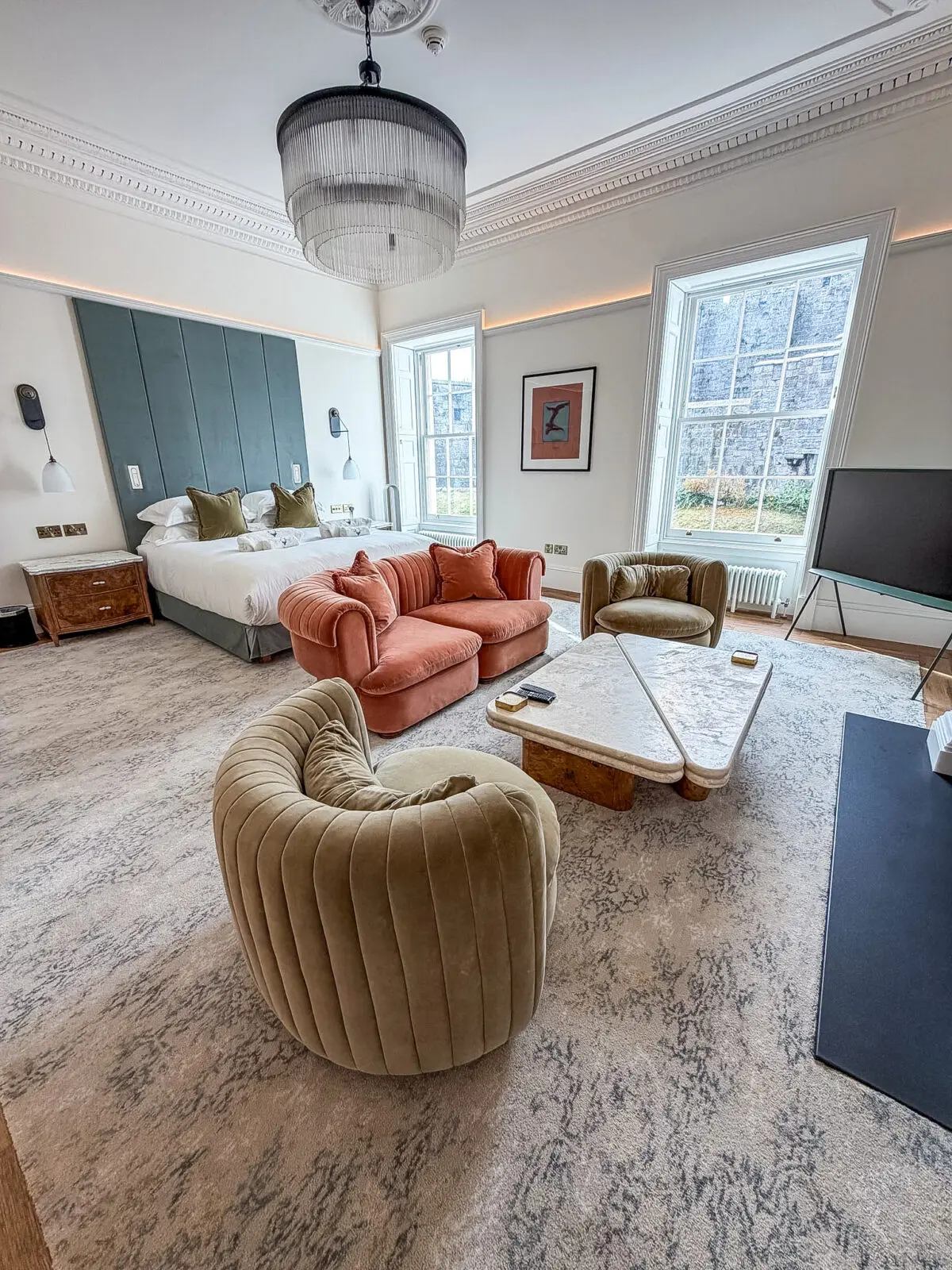

our stay
Derby House, Castletown
We stayed at Derby House by Earl of Derby in Castletown, and I loved having this as our base for the trip. There are just four suites, and ours looked directly across to Castle Rushen. It was spacious and beautifully designed, with a separate lounge area, dressing room, freestanding bath and rainfall shower.The location was really convenient too. You’re right in the centre of Castletown, with the castle, restaurants and steam railway within easy reach, plus there’s a café and wine bar downstairs. We hired a car for our trip, and because the island is so compact, Castletown worked really well for exploring further afield too.I’d happily stay here again, particularly if you want somewhere with a little more character than a standard hotel.
More things to do in Isle of Man
Map of Isle of Man
Frequently asked questions about visiting Isle of Man
Plan Your Isle of Man Trip
Final thoughts
Is the Isle of Man Worth Visiting?
For me, absolutely. I came home wondering why I hadn’t visited sooner.
What stayed with me most was how close to nature you feel here. You’re never far from the coast, a glen, a walking trail or somewhere you can simply stop for a while and take it all in.
There’s plenty to see and do, but I never felt like we had to rush around to experience it. It’s the kind of place where being outdoors becomes part of the trip rather than something you have to plan around.
If you love beautiful landscapes, wildlife, history and trips that give you space to slow down, I think the Isle of Man is well worth adding to your list.
Amy x